Tree removal is one of those home projects you don’t really think about—until you need it.
Whether it’s a dead oak in your front yard, a storm-damaged pine leaning too close to your roof, or just an overgrown tree crowding your property, the first question that comes to mind is: How much is this going to cost me?
If you’re in Northern Virginia, you’re in the right place. This guide breaks down everything that affects the price of tree removal—from size and risk to stump grinding and emergency services.
It’s packed with useful info to help you make smart, safe, and cost-effective decisions.
Average Tree Removal Cost in Northern Virginia
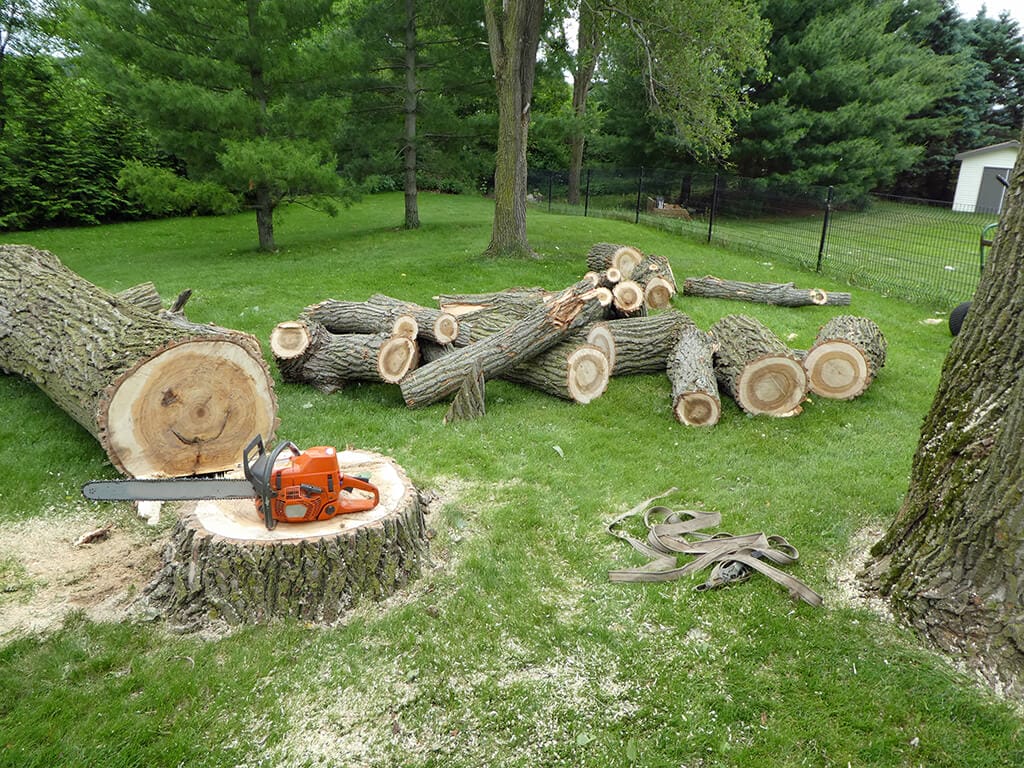
In most parts of Northern Virginia, tree removal costs range from $300 to over $2,500. It all depends on things like tree height, diameter, location, and condition.
Here’s a general breakdown:
- Small trees (under 30 ft) – $300 to $700
- Medium trees (30–60 ft) – $600 to $1,200
- Large trees (60–80 ft) – $1,000 to $2,000
- Extra-large or hazardous trees – $2,000+
Urban areas like Arlington or Alexandria may be on the higher end due to access issues, while more open spaces in places like Fauquier or Loudoun might cost less.
Key Factors That Influence Tree Removal Costs
When it comes to tree removal, no two jobs are the same. The cost can swing widely depending on several physical, logistical, and situational factors.
Understanding these helps you avoid surprise charges and plan your budget more accurately. Below, we’ll break down the biggest things that influence what you’ll pay when removing a tree in Northern Virginia.
Tree Size and Height
Tree height is one of the biggest pricing variables.
A small ornamental tree like a dogwood or crape myrtle is usually simple to remove. It’s shorter, lighter, and easier to control during takedown. But as trees get taller — say a 60-foot tulip poplar or an 80-foot red oak — everything changes.
Larger trees:
- Require more labor and time
- May need sectional dismantling (cutting it down piece by piece)
- Pose a greater safety risk due to heavy limbs and wide canopies
- Often require more cleanup (leaves, limbs, and sawdust)
Also, the diameter of the trunk matters. A tall, skinny pine is easier to cut than a wide, thick sycamore. Thicker trees are heavier, harder to cut through, and more difficult to haul off.
Type of Tree (Species)
Not all trees are built the same. The species of the tree has a big impact on cost because different types of wood behave differently when being cut or hauled.
Let’s compare:
Hardwoods
- Oak, Hickory, Maple, Walnut
- These are dense, heavy trees with thick limbs and strong trunks.
- They take longer to cut, dull saw blades faster, and are harder to move.
- The debris is bulkier, which increases cleanup time and disposal costs.
Softwoods
- Pine, Cedar, Spruce
- These are lighter, easier to cut, and simpler to manage.
- They usually grow straight up with less complex branching, which makes removal faster.
Also, some trees like Bradford pears and silver maples have brittle wood, which can crack and fall unpredictably. That risk may also add to the cost due to extra care and rigging.
Another thing to note: certain trees native to Northern Virginia grow in clusters or have multiple trunks. Multi-stemmed trees can complicate removal and raise the overall job price.
Location and Accessibility
Where the tree is located on your property makes a huge difference in the difficulty — and cost — of removing it.
Easy Access:
- Trees in wide-open lawns or backyards with direct truck access
- Close to the driveway or street
- Minimal obstacles like fences or structures
Hard Access:
- Trees near homes, garages, sheds, or power lines
- Trees on steep slopes or behind fences
- Minimal obstacles like fences or structures
When access is limited:
- Crews may need to manually carry debris to the truck
- Specialized rigging or roped takedowns are required
- Tree climbers may need to lower limbs section by section
In extreme cases, a crane or bucket truck might be the only safe option, especially for trees that can’t be reached with standard equipment. This adds significantly to the price.
Tree Condition
The health and structural integrity of the tree also affects removal cost. A healthy tree is predictable and solid, but a compromised tree is risky — and dangerous work usually costs more.
Common conditions that increase cost:
- Dead trees: Dry, brittle wood can crack unexpectedly.
- Diseased trees: Weak branches may fall during cutting.
- Split or leaning trees: High chance of falling in the wrong direction.
- Storm-damaged trees: Limbs can be tangled, hanging, or broken mid-fall.
Rotted trunks are especially dangerous. Internal decay can be invisible from the outside, but make the tree extremely unstable during removal. In these cases, arborists may use extra rigging or cranes to avoid injury and property damage.
Some diseased trees may also need special disposal, depending on local environmental rules — another factor that could increase the final bill.
Special Equipment Needs
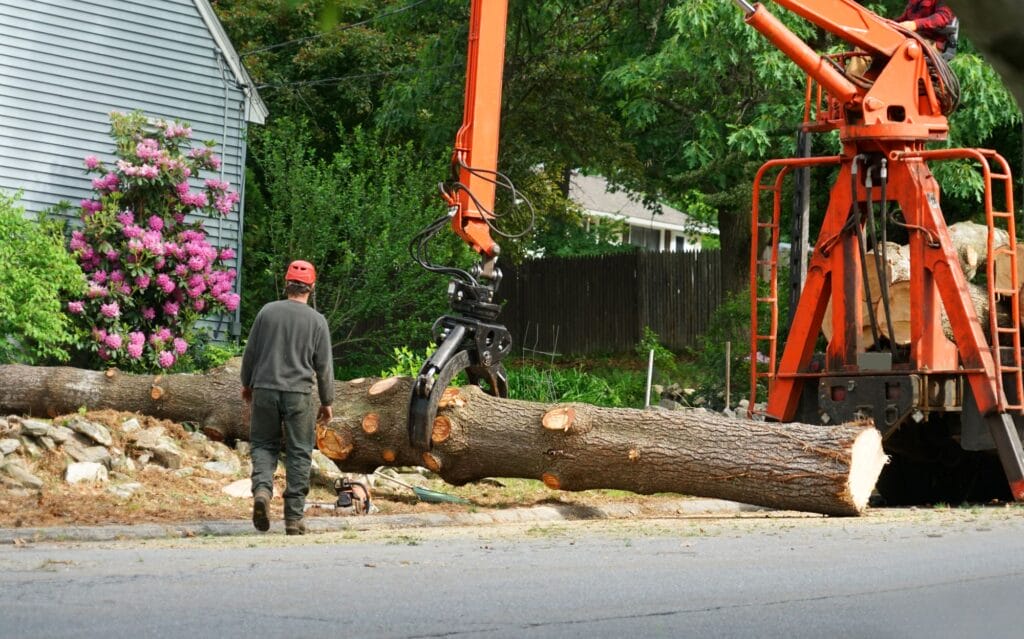
Some tree removals are just too complex for basic chainsaws and ground crews. When trees are extra tall, in tight urban spaces, or structurally compromised, advanced machinery becomes necessary.
Examples of specialized equipment:
- Cranes: Used for large or dangerous trees in tight spaces
- Bucket trucks: Help workers reach high limbs safely
- Loaders & log trucks: Haul heavy logs and debris
- Rope & rigging systems: Allow for controlled limb lowering near structures
If a crane is needed, the job becomes a crane-assisted removal, which is one of the most expensive types of tree work. Cranes may require special permits or temporary road closures, especially in suburban neighborhoods.
These jobs usually involve a larger team — including a crane operator, a ground crew, and an experienced climber — all of which raise the labor costs significantly.
Emergency or Storm Damage
Timing can play a big role in pricing. If a tree comes crashing down after a thunderstorm or starts leaning over your driveway, you’ll probably need immediate help. That’s when emergency tree removal comes into play.
What raises emergency pricing?
- 24/7 availability: Crews may respond at night, on weekends, or during holidays
- Urgency: Immediate mobilization of equipment and crew
- Hazards: Storm-damaged trees are unstable and unpredictable
- Blocked access: Driveways, roads, or roofs may be obstructed
Unlike scheduled removals, emergency jobs often need to be done within hours, which means rescheduling other work, bringing in extra staff, and moving fast — all of which can raise the cost.
Despite the higher price, emergency tree removal is often necessary to prevent further property damage or safety hazards.
Why Hire a Certified Arborist?
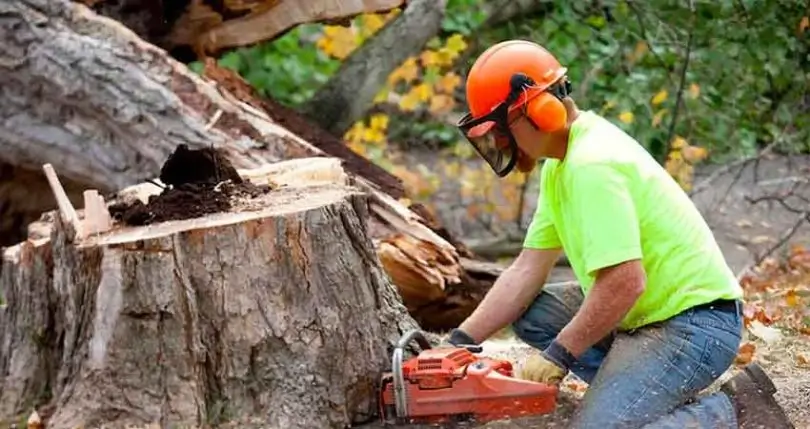
Tree removal might look simple — just cut and haul, right? Not quite. The truth is, taking down a tree is one of the most dangerous tasks in home maintenance.
It requires planning, experience, specialized equipment, and deep knowledge of tree biology and structure. That’s where a Certified Arborist comes in — and it makes a world of difference.
In Northern Virginia, hiring an ISA Certified Arborist (from the International Society of Arboriculture) isn’t just a smart move — it’s often essential.
What Is a Certified Arborist?
A Certified Arborist is a tree care professional who has passed a rigorous examination and maintains their certification through ongoing education. They’re trained in all aspects of arboriculture, including:
- Tree biology and structure
- Risk assessment
- Tree health and disease management
- Safe climbing and rigging practices
- Proper pruning, removal, and planting techniques
- Soil and root care
- Urban forestry and ecosystem preservation
This isn’t just about cutting trees — it’s about understanding them from the inside out.
Safety First: For You, Your Property, and the Crew
Safety is the #1 reason to hire a certified arborist. Tree removal is risky work — especially when dealing with:
- Dead or diseased trees
- Trees near power lines
- Storm-damaged or leaning trees
- Large limbs overhanging rooftops or driveways
A certified arborist knows how to evaluate the tree’s structure and use controlled cutting methods that reduce the chance of unexpected falls or accidents. They’re trained in advanced rigging, load distribution, and aerial rescue techniques, ensuring that everyone on the job stays safe — including your home and family.
Plus, they follow ANSI A300 standards, which are the industry’s best practices for pruning, removing, and caring for trees. These standards ensure that no shortcuts are taken and that every job is done responsibly and professionally.
Licensed, Insured, and Liability-Proof
When you hire a certified arborist from a reputable company like King Tree Services, you’re also hiring someone who’s fully licensed and insured.
Why does that matter?
- General liability insurance protects you in case something goes wrong — like a branch falling on a car or roof.
- Worker’s compensation insurance ensures the crew is covered if someone gets hurt on your property.
- Proper licensing means the company follows state and county laws, especially in regulated areas like Northern Virginia.
Unlicensed or uninsured “tree guys” might offer cheaper quotes, but if an accident happens, you could be held legally and financially responsible. With a certified, insured arborist, you get peace of mind — and no surprise lawsuits or damages.
Long-Term Tree and Landscape Health
Removing a tree isn’t always the first or best solution. A certified arborist is trained to evaluate tree health and may offer alternatives like:
- Structural pruning
- Cabling and bracing
- Soil treatment and root aeration
- Pest and disease control
- Plant Health Care (PHC) plans
This kind of approach saves trees when possible, supports biodiversity, and protects the long-term health of your landscape.
In some cases, what looks like a “dead” tree to the average person may just be dormant or suffering from a reversible condition. Arborists can diagnose these problems and often preserve valuable trees that add shade, property value, and natural beauty.
Local Knowledge, Real Expertise
In Northern Virginia, a certified arborist doesn’t just know trees — they know local tree species, soil types, weather patterns, and municipal codes. They can help you navigate:
- HOA rules
- County tree ordinances
- Permit requirements for removal
- Native species recommendations for replanting
- Local pest threats (like Emerald Ash Borer or Spotted Lanternfly)
This local expertise is especially valuable if you live in places like Fairfax, Prince William, or Loudoun County, where different areas have their own tree regulations.
Professionalism, Transparency, and Clean Work
Certified arborists bring a level of professionalism that goes beyond just getting the job done. When you hire someone like King Tree Services, you get:
- Detailed, written estimates — no surprises
- Clear communication about timeline, equipment, and safety protocols
- Jobsite cleanup — no debris left behind
- Satisfaction walkthroughs — so you’re happy before they leave
- Follow-up support — for health assessments or additional work
The goal isn’t just to remove a tree. It’s to protect your property, preserve your yard, and deliver service you can trust.
Related Services That Affect the Total Cost
When planning for tree removal, it’s easy to overlook the “extras” that often come with it. These related services can have a significant impact on your total bill — but they also add real value.
Depending on the condition of your property, the type of tree, and your future landscaping goals, you may need more than just cutting the tree down.
Here’s a deeper look at each service and how it influences the overall cost of tree work in Northern Virginia.
Stump Grinding
Removing the tree is just one part of the job. After the trunk and branches are gone, what’s left behind is the stump — and many homeowners don’t want that eyesore sitting in their yard.
Stump grinding is the process of using a powerful rotary cutting machine to shred the stump into mulch, usually down to 6–12 inches below ground level. The deeper the grind, the more the cost — but it leaves your lawn level, safe, and ready for reseeding or landscaping.
Factors that affect stump grinding cost:
- Stump diameter: Larger, wider stumps cost more to grind.
- Root spread: Some trees (like maples and elms) have far-reaching root systems that require extra grinding.
- Access: If the stump is in a tight or fenced-in area, small portable grinders may be needed, increasing labor time.
- Debris removal: Some companies include cleanup, others charge separately for hauling away the mulch.
Average pricing in Northern Virginia:
- Small stumps: $100–$150
- Medium stumps: $150–$250
- Large or multiple stumps: $250–$400+
While you can leave the stump, it often invites pests (like termites or ants), causes trip hazards, and makes landscaping harder. If your goal is a clean, functional yard — stump grinding is a smart add-on.
Land and Brush Clearing
If you’re planning to build, install drainage, or completely renovate your landscape, you’ll likely need more than just a tree or two removed. That’s where land clearing comes in.
This involves clearing multiple trees, bushes, underbrush, and debris across a larger area — often for construction sites, agricultural projects, or complete lawn makeovers.
What's included in land clearing:
- Cutting and removing trees and shrubs
- Grinding stumps or uprooting root balls
- Hauling and disposing of debris
- Grading and preparing the soil (in some cases)
Factors that influence land clearing cost:
- Acreage or square footage
- Density of vegetation
- Slope or terrain challenges
- Permit requirements
- Whether selective clearing or full clearing is required
Average pricing:
- Light brush clearing: $500 – $1,500 (small yards)
- Heavily wooded lots: $2,000 – $6,000+ per acre
Professional clearing ensures that the job is done efficiently, safely, and with minimal impact to the soil, which is important if you’re building or planting afterward. In counties like Fairfax or Prince William, clearing may also involve local zoning regulations, so always check before hiring a crew.
Emergency Tree Cleanup
When severe weather hits Northern Virginia — whether it’s a summer thunderstorm or winter ice storm — fallen or damaged trees can quickly turn into safety hazards.
Emergency tree service involves:
- Removing fallen limbs or entire trees from homes, driveways, or roadways
- Stabilizing hanging or cracked branches before they fall
- Clearing blocked access points for vehicles and foot traffic
- Securing power lines or structures from further damage
What makes emergency cleanup more expensive:
- 24/7 service: Emergency calls often come after hours, on weekends, or during dangerous conditions.
- Higher risk: Storm-damaged trees are unstable and unpredictable.
- Faster mobilization: Crews must respond immediately, sometimes with extra manpower or equipment.
Average pricing:
- Simple limb removal: $200–$500
- Moderate storm cleanup: $500–$1,500
- Severe damage or crane-assisted removals: $2,000+
While the cost is higher, fast response can prevent property damage, personal injury, or further tree collapse. Many reputable companies like King Tree Services offer same-day emergency support to handle these situations safely.
Tree Cabling and Bracing
Not every leaning or unstable tree needs to be cut down. In many cases, tree cabling and bracing can save the tree — and save you money.
These systems use high-tension steel cables and support rods to reinforce weak branches or split trunks, helping stabilize the tree during storms or high winds.
When cabling is recommended:
- Large limbs are pulling away from the trunk
- Trees with co-dominant stems (two main trunks) at risk of splitting
- Historic or valuable trees with structural flaws
- To prevent future failure during extreme weather
Cabling and bracing must be installed by certified arborists, following ISA guidelines. It’s not just about tying a rope — it requires proper angle, load calculation, and periodic inspection to ensure the system works over time.
Cost breakdown:
- Complex bracing systems: $800–$1,500+ depending on the size of the tree and risk level
- Basic cabling system (1–2 limbs): $300–$600
Compared to full removal, cabling is a cost-effective alternative that also preserves tree canopy, curb appeal, and shade.
How Professional Tree Services Provide Transparent Quotes
The best tree companies won’t give you a one-size-fits-all price over the phone. They’ll come to your property and assess everything in person.
Here’s how trusted services like King Tree Services handle it:
- On-Site Estimate: Free and honest assessment by a certified arborist
- No Hidden Fees: Clear, written quote before work starts
- Efficient Service: Licensed crews use modern tools and safety protocols
- Cleanup Included: Your yard is left clean and safe
- Satisfaction Walkthrough: Final check before the job is done
Tree Removal FAQs
Is tree removal covered by homeowners insurance?
Only in certain cases. If a tree falls due to a storm and damages a structure (like your house or garage), your insurance may help with removal. Routine or preventative removals are usually not covered.
Do I need a permit?
Some towns in Northern Virginia require permits, especially for large, mature, or historic trees. Check with your local city office or ask your arborist to guide you.
Is stump grinding included?
Not always. Many companies offer it as an add-on service, so be sure to ask when you get your estimate.
How quickly can the work be scheduled?
Most tree services can schedule your job within a few days. Emergency calls are usually handled the same day or within 24 hours.
Can I get a discount for multiple trees?
Yes—many companies offer bulk pricing for removing several trees at once, especially if you combine it with stump grinding or trimming services.
Areas Covered in Northern Virginia
King Tree Services proudly serves homeowners and businesses across:
- Prince William County
- Fairfax County
- Loudoun County
- Fauquier County
- Manassas, Bristow, Gainesville, and nearby areas
With local knowledge of tree types, soil conditions, and zoning rules, they bring unmatched expertise to every job.
How to Get a Free Estimate
Ready to find out what your tree removal will really cost? Here’s how to start:
Call or Text: 📞 571-778-0786
Online Form: Request a Free Estimate
Fast Response: Most estimates are scheduled same or next day
There’s no obligation—just honest advice and clear pricing from a team that knows Northern Virginia trees.
Final Thoughts
Tree removal is more than just chopping wood. It’s about protecting your home, keeping your yard safe, and making sure the job is done right. Costs vary depending on many factors, but with the help of a certified, local professional, you can handle it smartly and affordably.
Don’t wait until a risky tree becomes an emergency. Get it checked out, get a fair quote, and trust the job to people who care about your property as much as you do.
