Trees are a beautiful part of our homes and neighborhoods. But sometimes, they become more than just scenery. They become a threat.
Knowing the warning signs of a dangerous tree can help prevent property damage, personal injury, or even tragedy.
If you’re a homeowner in Northern Virginia or anywhere with older trees on your property, it’s time to take a closer look at what’s growing above your head.
Let’s break down the top signs your tree might be dangerous—and what to do before it becomes a bigger problem.
Why You Should Pay Attention to Tree Hazards
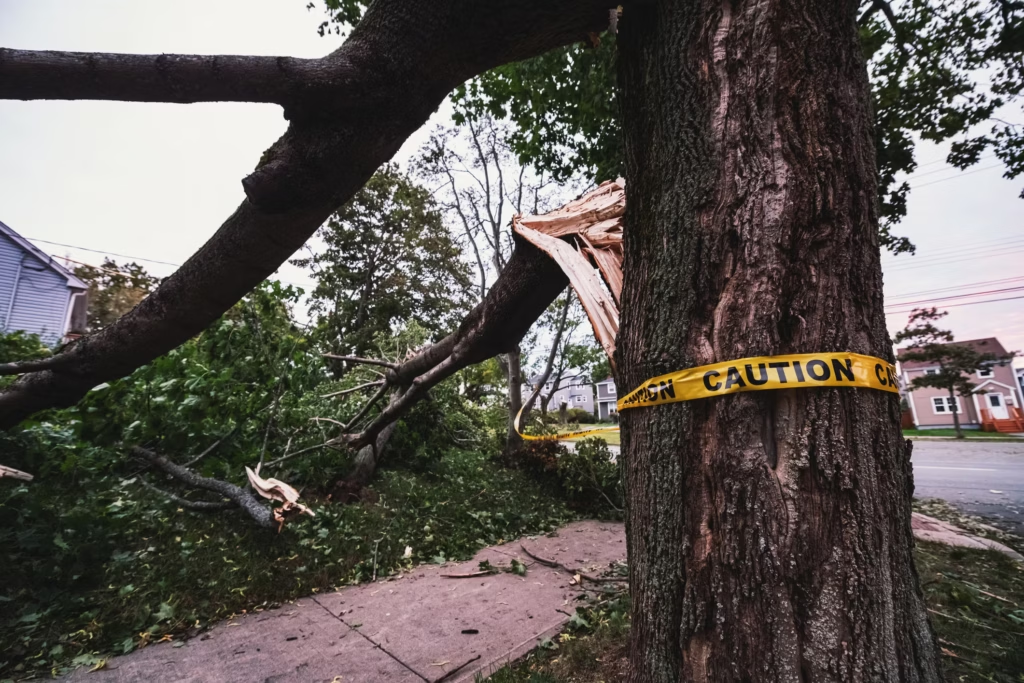
A tree doesn’t need to fall over to be dangerous. In many cases, a weak or diseased tree will show subtle signs long before disaster strikes. Hidden decay, root instability, or weather damage can turn a once-healthy tree into a risk to your home, vehicles, power lines—or worse, people.
In areas like Manassas and the wider Northern Virginia region, where windstorms and heavy rain are common, ignoring these signs can lead to serious damage. That’s why certified arborists perform risk assessments—to catch danger early and help homeowners make smart decisions.
1. Cracks or Splits in the Trunk
This is one of the most obvious red flags. If your tree’s trunk has deep vertical cracks, splits, or seams, it’s telling you something’s wrong. These structural defects often mean the tree is under stress—whether from past storm damage, internal decay, or uneven weight distribution.
Cracks that extend from the base up to major limbs can cause what’s called a “co-dominant stem failure”—where the trunk literally tears apart at the fork. It’s dangerous, especially if your tree leans over your roof or driveway.
What to Do: Don’t ignore trunk damage. This is when it’s wise to call a certified arborist. Sometimes cabling or bracing can help. In severe cases, removal may be the only safe option.
2. A Sudden or Severe Lean
Not all leaning trees are dangerous. Some naturally grow at an angle, especially in tight suburban spaces. But if a tree suddenly starts leaning—especially after a heavy rain, windstorm, or snow event—it’s a major warning.
A lean greater than 15 degrees from vertical usually points to root plate failure, meaning the roots can no longer anchor the tree securely. You might even see heaving soil around the base or exposed roots on the opposite side of the lean.
What to Do: This is often an emergency situation. If the tree is near a structure or walkway, call for professional tree removal immediately. Storm cleanup crews and emergency arborists (like those at King Tree Services) offer 24/7 response in these cases.
3. Dead or Hanging Branches
Also known as “widowmakers,” large dead limbs can fall without warning—even on a calm day. Dead wood becomes brittle over time, and a slight breeze is all it takes to send a branch crashing down.
Look for branches that have no leaves during the growing season, peeling bark, or are hanging by a thread from higher limbs. These limbs can weigh hundreds of pounds and often fall unpredictably.
What to Do: Don’t try to remove large dead branches yourself. Professional pruning by ISA-certified arborists ensures proper cuts and reduces the risk of future branch failure.
4. Fungus or Mushrooms at the Base
Mushrooms at the base of your tree might look harmless, but they often signal internal decay or root rot. Common fungi like Armillaria or Ganoderma break down wood from the inside out. If your tree’s roots or base are soft or spongy, that’s a bad sign.
Fungal infections usually spread quietly and slowly—but by the time you notice mushrooms, serious damage could already be done.
What to Do: A tree health diagnosis is essential here. Arborists will inspect the trunk, roots, and soil health. Sometimes, if caught early, treatment or root aeration can help. Otherwise, tree removal may be recommended to prevent failure.
5. Peeling Bark or Hollow Spots
Healthy bark is like skin—it protects the tree from disease and weather. When bark peels away or falls off in large patches, it exposes the sensitive inner layers. If you knock on the trunk and hear a hollow sound, that’s another clue of internal cavity or heartwood decay.
This condition weakens the structural integrity of the tree. It might still stand tall—but it’s fragile inside.
What to Do: This is where experience matters. A certified arborist can use tools like a resistograph (a device that measures wood density) to check how hollow the tree is. Sometimes support systems can prolong the tree’s life. Other times, it’s best to take it down.
6. Uprooted or Exposed Roots
The root system is the anchor of the tree. When roots are damaged, cut, or suffocated (like from compacted soil or nearby construction), the entire tree is at risk.
Signs to watch for:
- Large surface roots that are cracked or broken
- Roots lifting out of the ground after heavy rain
- Soil heaving or cracking around the trunk
These usually mean the root zone is destabilized.
What to Do: Avoid parking or walking near these trees. The root system may fail without warning. Emergency removal might be necessary, especially if the tree threatens structures or power lines.
7. Sudden Leaf Drop or Bare Branches
When a tree loses its leaves out of season—or certain branches stay bare while others thrive—it’s often a cry for help. This could be caused by:
- Pests like Emerald Ash Borer
- Fungal diseases
- Drought stress
- Soil compaction
- Girdling roots
In many cases, the problem starts underground. If the roots can’t take in nutrients, the canopy suffers.
What to Do: A proper diagnosis is critical. Tree health evaluations often include soil testing, pest inspections, and moisture analysis. Treatment might include deep root fertilization, pest control, or selective pruning. If more than 50% of the canopy is dead, the tree is unlikely to recover.
When Should a Tree Be Removed?
Deciding whether to remove a tree can be difficult. Trees take years to grow and often feel like part of the family. But just like anything alive, trees can get sick, unstable, or become a danger to the area around them. Knowing when a tree needs to be removed is crucial for protecting your home, loved ones, and property.
A tree showing signs of distress isn’t always a lost cause. Some issues can be managed with pruning, treatment, or structural support systems. But there comes a point where removal is the only responsible—and safe—choice.
Here are the clearest signs it’s time to take a tree down.
1. A Certified Arborist Declares the Tree Hazardous
If a certified arborist conducts a tree risk assessment and recommends removal, it’s a strong sign the tree has reached the end of its safe life. Arborists look at structural integrity, root stability, disease progression, and risk to nearby targets (like homes, vehicles, or power lines).
They use techniques like resistograph testing, visual inspections, and soil analysis to make this call.
When an expert gives the green light for removal, it’s typically because the tree presents a high failure potential—meaning it’s no longer safe to leave standing.
2. The Tree Leans Toward a Structure or High-Traffic Area
Some trees naturally lean. That alone doesn’t always mean it’s dangerous. But if your tree has developed a new lean, or the lean has become more pronounced, it could be a sign of root plate failure, soil erosion, or internal trunk weakness.
If that lean is in the direction of your house, garage, driveway, or sidewalk, the threat level increases significantly. Even a strong wind could push it past its tipping point.
A leaning tree near a home is especially concerning in storm-prone areas like Northern Virginia. If it’s unstable and in a high-risk location, proactive removal is the safest decision.
3. More Than 50% of the Tree Is Diseased, Dead, or Dying
A general rule in arboriculture is this: if more than half the tree is dead or decaying, it likely won’t recover. Diseases like root rot, cankers, or vascular wilts can spread internally long before symptoms appear on the outside.
A tree that’s lost most of its canopy, has brittle branches, or shows signs of trunk rot is no longer contributing to the ecosystem—and may collapse unexpectedly. Dead trees also attract pests like carpenter ants, termites, and beetles, which can migrate into your home.
At this stage, the tree becomes a liability, not an asset.
4. The Roots Are Severely Damaged or Uprooted
Healthy roots are the anchor system of a tree. But construction projects, trenching, soil compaction, or even repeated heavy rain can sever or expose major roots, destabilizing the entire tree.
When over 25% of a tree’s root zone is damaged, especially on one side, the risk of structural failure goes way up. You may notice heaving soil, exposed roots, or cracks near the base. In storm conditions, trees in this condition can topple without warning.
Trees with compromised roots often need emergency removal, especially if they’re near power lines or structures.
5. The Tree Interferes with Utilities or Emergency Access
Trees that grow too close to power lines, utility boxes, or emergency access routes create unique risks. In strong winds or ice storms, their limbs can take down power lines, block roads, or create dangerous fire hazards.
Even if the tree seems healthy, its location can make it unsafe. Utility companies often require clearance zones, and in some cases, removal is the only solution. Overhead interference isn’t the only issue—root systems can also damage underground pipes or foundations if they’re planted too close to structures.
When a tree threatens public safety or essential infrastructure, removal becomes a priority, not a preference.
6. The Tree Has Become Hollow or Structurally Unsound
A hollow trunk may seem charming, but it’s a serious concern. Trees can still stand tall while rotting from the inside out. However, as internal decay expands, it weakens the tree’s ability to support its own weight.
You may notice:
- Large cavities in the trunk
- Soft or crumbling wood
- Unusual movement in the wind
- Sounding hollow when tapped
If more than one-third of the tree’s interior is hollow or rotten, its structural integrity is likely compromised. These trees often snap at the trunk during heavy storms.
Why Tree Removal Should Be Left to Professionals
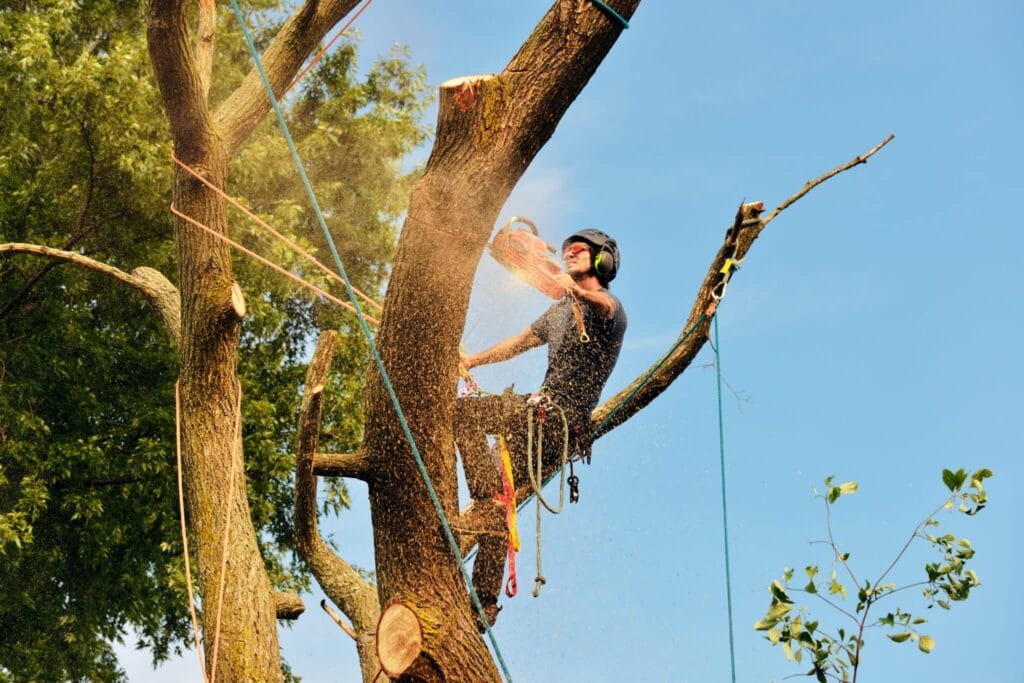
Removing a tree, especially a large or hazardous one, is not a DIY project. It requires the right tools, training, and insurance coverage. In many cases, certified arborists use crane-assisted removal to safely take down trees near homes, fences, and utility lines.
Attempting to cut down a compromised tree without the proper gear or safety protocols can lead to serious injury, property damage, or legal liability.
Professionals:
- Follow ANSI A300 and ISA best practices
- Have equipment to handle large or dangerous removals
- Are fully licensed and insured
- Haul away all debris and leave a clean site
Choosing the right team also gives you peace of mind. Companies like King Tree Services provide free assessments, explain every step, and ensure you’re fully informed before any work begins.
What to Do If You Suspect a Problem
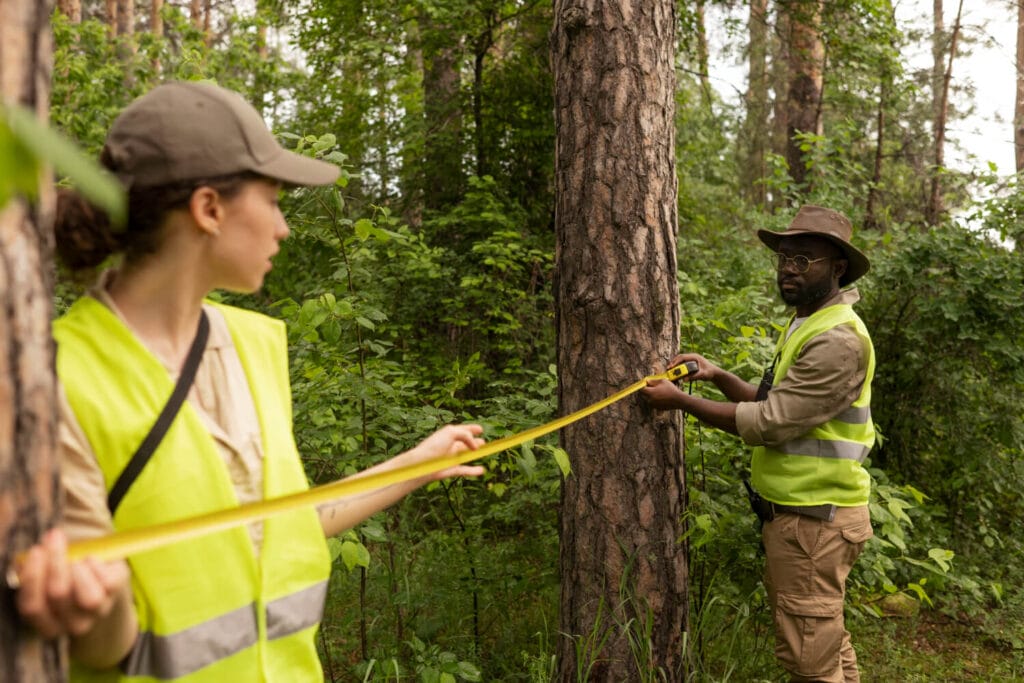
When a tree in your yard starts showing signs of trouble—whether it’s leaning, losing leaves, or growing fungus at the base—it’s easy to hope it’ll fix itself. But trees don’t heal like people do. Once structural damage, disease, or decay sets in, the problem often gets worse, not better.
Waiting too long to act can lead to dangerous situations, especially if the tree is near your home, your car, or a neighbor’s property. It’s not just about aesthetics—it’s about safety, liability, and protecting your investment.
So, what should you do if you notice something suspicious?
1. Don’t Guess—Get a Professional Tree Risk Assessment
The first and smartest step is to bring in an expert—a certified arborist who can properly evaluate your tree’s condition. At first glance, what looks like a harmless crack or patch of mushrooms could be a warning sign of serious structural failure beneath the surface.
An arborist doesn’t just look at the outside of the tree. They perform a comprehensive inspection, which may include:
- Crown condition (looking for deadwood, defoliation, or sparse growth)
- Trunk and bark health (searching for cracks, cavities, and cankers)
- Root zone analysis (checking for root damage, girdling roots, or poor soil conditions)
- Leaning or imbalance (assessing whether it's from natural growth or structural weakness)
Professionals use their training and tools—like sounding hammers, binoculars, and sometimes resistographs—to assess how stable your tree really is.
2. Request a Tree Health Diagnosis and Soil Evaluation
Not every tree problem is visible from the outside. Many tree failures begin below the ground, in the roots and soil. Poor drainage, compacted soil, nutrient deficiencies, and pest infestations can all weaken a tree from the bottom up.
That’s where a tree health diagnosis becomes valuable. Arborists will evaluate:
- Soil composition and compaction
- Moisture levels
- Pest or fungal activity
- Signs of stress like early leaf drop or discolored foliage
These inspections lead to targeted solutions like deep root fertilization, integrated pest management (IPM), or disease treatment plans—which can often save a tree before it declines beyond recovery.
3. Act Quickly if the Tree Is an Immediate Hazard
If the tree is leaning dangerously, has cracked limbs hanging over your house, or looks unstable after a storm, don’t wait. These are signs of an imminent threat. A tree that’s structurally compromised can fall with little to no warning—especially during heavy rain, wind, or snow.
This is when you need emergency service, not just a regular check-up.
Professional tree service companies like King Tree Services offer:
- 24/7 Emergency Response
- Crane-assisted tree removal
- Storm damage cleanup
- Safe dismantling of high-risk trees near power lines, roofs, and fences
Attempting to handle a dangerous tree on your own can result in serious injury or damage. Removal is best left to professionals with the equipment and insurance to handle high-risk jobs.
4. Don’t Delay—Tree Problems Escalate Quickly
Tree issues are time-sensitive. A minor fungal infection today can become full-blown internal decay within months. A slightly leaning tree may tip over in the next storm. The longer you wait, the fewer options you’ll have.
Acting early not only protects your property—it often saves money.
Preventive care, like trimming, fertilization, or cabling, is usually less expensive than emergency removal or post-damage repairs.
Also, if your tree falls and causes damage that could’ve been prevented, your homeowners’ insurance may not cover it. Insurers expect property owners to maintain trees safely and responsibly.
5. Choose a Licensed, Insured, and Certified Team
Whether your tree needs treatment, trimming, or full removal, it’s important to work with a tree care company that knows what they’re doing—and is properly qualified.
Look for:
- ISA-Certified Arborists on staff
- Licensed and insured crews
- Cranes and advanced equipment for high-risk removals
- Transparent pricing and detailed estimates
King Tree Services is a trusted provider in Northern Virginia, offering all of the above. With over 15 years of experience and an ISA-certified arborist on every job site, they’re known for doing things the right way—the safe, honest, professional way.
Final Thoughts: Your Safety Comes First
A beautiful tree can be a joy—but a dangerous tree is a liability. Learning how to spot the early warning signs is the first step toward protecting your family, your home, and your peace of mind.
Don’t wait for the next storm. If something looks off about your tree, trust your gut—and call in the experts. Your trees, and your safety, are worth it.
Need a professional opinion?
Book a free estimate from a certified arborist in Northern Virginia today. Whether it’s a small concern or a major tree hazard, prompt action can make all the difference.
